New Real‑World Data Offer Hope for Tough Cases of Graft‑Versus‑Host Disease
Researchers have reported fresh real‑world results on three fronts of graft‑versus‑host disease (GVHD) care after allogeneic stem‑cell transplant [1][2][3]. An off‑the‑shelf mesenchymal stromal cell product called tomostrocel showed safety and signs of benefit in patients whose acute GVHD did not respond to multiple prior drugs [1]. A large French registry study suggested that post‑transplant cyclophosphamide may lower severe acute GVHD better than antithymocyte globulin (ATG) [2]. Finally, analysis of cryopreserved donor grafts found a lower chance of full donor blood‑cell chimerism at day 60, though survival was unchanged [3].
Key takeaways
- Tomostrocel, a bone‑marrow‑derived mesenchymal stromal cell therapy, was safe and showed response signals in 317 heavily pre‑treated acute GVHD patients [1].
- Post‑transplant cyclophosphamide reduced grade III‑IV acute GVHD compared with ATG in reduced‑intensity matched‑donor transplants for AML or MDS [2].
- Cryopreserved stem‑cell grafts were linked to a lower likelihood of >95 % donor chimerism on day 60, but did not affect overall survival or relapse rates [3].
Mesenchymal stromal cells for refractory acute GVHD
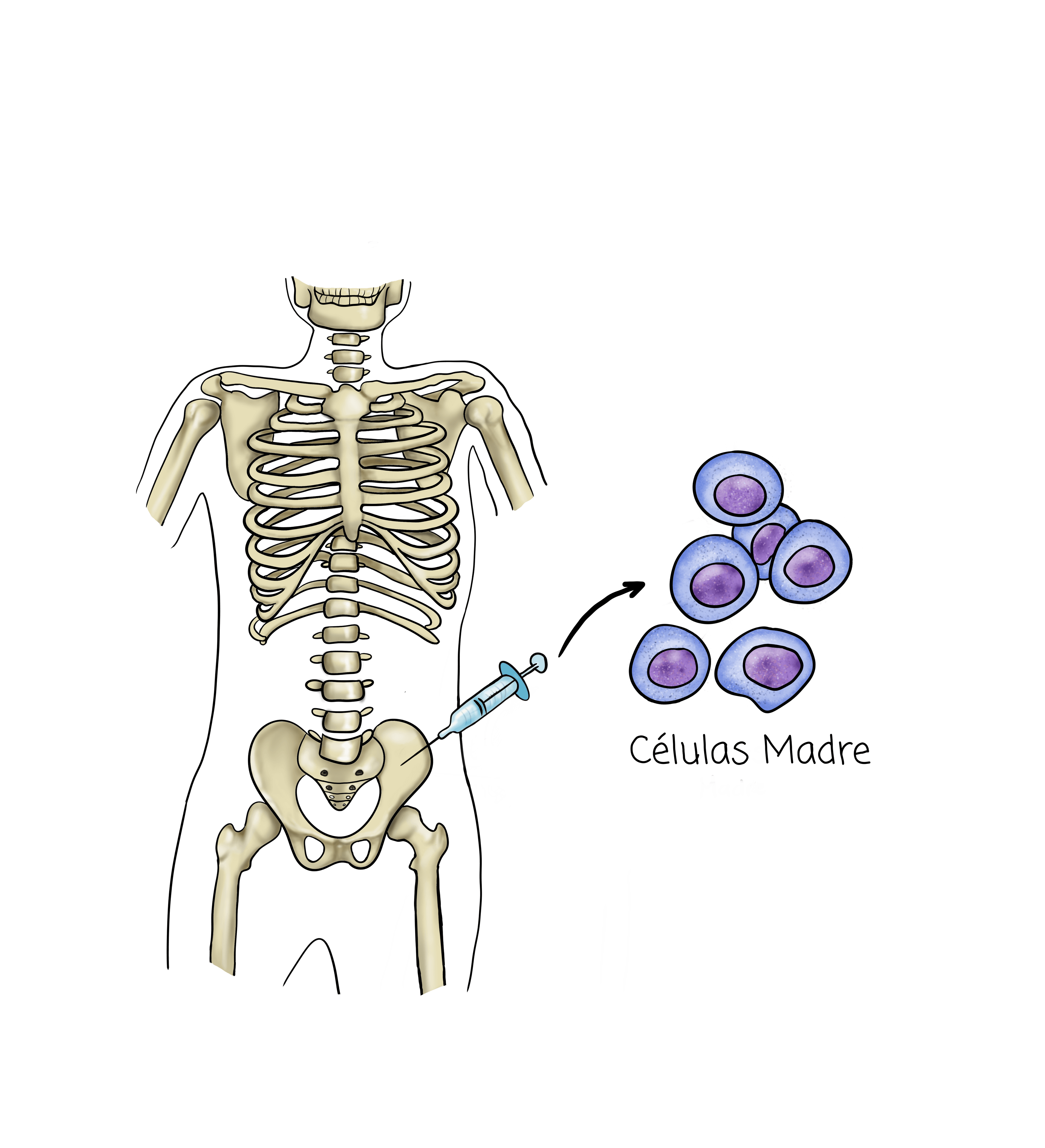
Acute GVHD occurs when donor immune cells attack the recipient’s skin, liver, or gut after transplant. When the disease does not improve after steroids and other standard drugs, the outlook is usually poor. In a recent real‑world analysis of 317 adult patients with severe, multi‑refractory acute GVHD, investigators used tomostrocel, an off‑the‑shelf bone‑marrow‑derived mesenchymal stromal cell (MSC) product [1]. The study reported that safety was favorable and comparable to earlier reports of MSC use [1]. Importantly, response on day 28 after MSC infusion predicted overall survival, regardless of whether patients had previously received the JAK‑inhibitor ruxolitinib [1]. Although the data come from routine clinical practice rather than a controlled trial, the authors noted several efficacy signals that suggest tomostrocel may be a promising option for patients who have exhausted other treatments [1]. Ongoing randomized studies are expected to provide more definitive evidence [1].
Changing the prophylaxis playbook: cyclophosphamide versus ATG
Preventing GVHD before it starts is a major focus of transplant programs. Post‑transplant cyclophosphamide (PTCy) has become popular in mismatched or haploidentical transplants, but its role in matched‑donor reduced‑intensity conditioning (RIC) transplants was less clear. A retrospective analysis of French‑registry data included adults with acute myeloid leukemia or myelodysplastic syndromes who received matched‑donor peripheral‑blood stem cells [2]. Patients were grouped by GVHD prophylaxis: PTCy alone, ATG alone, both together, or none. The multivariable competing‑risk model showed that PTCy cut the risk of severe (grade III‑IV) acute GVHD by more than half compared with ATG (hazard ratio 0.44, p = 0.026) [2]. Both PTCy and ATG lowered the incidence of extensive chronic GVHD versus no in‑vivo T‑cell depletion, without increasing non‑relapse mortality or relapse [2]. One‑year overall survival, progression‑free survival, and GVHD‑free, relapse‑free survival were similar across groups, hovering around 70 %, 62 %, and 48 % respectively [2]. These findings support PTCy as an effective alternative to ATG for GVHD prophylaxis in RIC matched‑donor transplants, while awaiting results from prospective trials [2].
Cryopreservation and early donor chimerism
The COVID‑19 pandemic accelerated the use of cryopreserved (frozen) stem‑cell grafts, but clinicians have worried that freezing might impair graft function. In a study of unrelated donor transplants using reduced‑intensity conditioning and ATG‑based GVHD prophylaxis, researchers compared fresh versus cryopreserved grafts [3]. Cryopreservation was independently associated with a lower odds (odds ratio 2.39) of achieving full donor chimerism (>95 % of both myeloid and lymphoid cells) on day 60 (33.8 % versus 54.4 %, p = 0.03) [3]. The frozen grafts also showed modestly lower early CD3⁺ (T‑cell) chimerism and a slight delay in engraftment [3]. However, overall survival, progression‑free survival, and GVHD‑free, relapse‑free survival did not differ between the two groups [3]. The authors concluded that while cryopreserved grafts may slow early donor cell takeover, they appear safe in this setting, though larger studies are needed to confirm the impact on chimerism [3].
Why these findings matter
For patients and families facing graft‑versus‑host disease, the new data offer several points of cautious optimism. The MSC product tomostrocel showed safety and response signals in heavily pre‑treated acute GVHD patients, and response on day 28 was predictive of overall survival [1]. The prophylaxis study shows that post‑transplant cyclophosphamide was associated with a lower risk of severe acute GVHD compared with ATG in matched‑donor reduced‑intensity transplants [2]. The cryopreservation analysis reassures that frozen donor cells can be used safely, even if they may delay full donor blood‑cell replacement early after transplant [3]. All three areas remain under investigation, and definitive proof will require randomized trials.
What this means for you
If you or a loved one is undergoing allogeneic stem‑cell transplantation, these studies indicate that new treatments and strategies are being explored to reduce the burden of graft‑versus‑host disease. Mesenchymal stromal cell therapy may be offered in specialized centers for refractory cases, but its availability is still limited pending trial results. Post‑transplant cyclophosphamide was associated with a lower risk of severe acute GVHD compared with ATG in certain transplant settings, though choices are individualized. Using frozen donor grafts appears safe, though doctors may monitor early blood‑cell engraftment closely. Because each transplant is unique, discuss these emerging options and their uncertainties with your transplant team.
Bottom line: Real‑world evidence points to promising advances in treating and preventing graft‑versus‑host disease, yet more rigorous studies are needed before these approaches become standard care. If you have questions about your own situation, talk to your doctor.