Unmet Needs, Loneliness, and Tele‑Health Skills Shape Pain and Well‑Being in Older Adults
Older adults who lack food, reliable transport, or social support report worse pain, and feelings of social alienation add another layer of risk [1][3]. At the same time, nurses who feel confident in solving tech problems are more ready to use tele‑health, a tool that could reach isolated seniors [2].
Key takeaways
- Not having enough food, reliable transport, or social support is linked to higher pain intensity, more pain interference, and lower pain self‑efficacy in mid‑life and older adults [1].
- Older adults with cognitive frailty show distinct patterns of social alienation; those living with adult children are more likely to fall into a “Severe Alienation” group [3].
- Nurses who rate themselves high in innovative self‑efficacy—confidence in creative problem‑solving—show greater readiness to adopt tele‑health services [2].
How Unmet Social Needs Relate to Pain
A recent study of mid‑life and older adults with chronic pain examined five basic social needs: food, housing, utilities, transportation, and social support [1]. Researchers found that participants who reported difficulty accessing food had higher pain intensity, greater pain interference (how pain disrupts daily activities), and lower pain self‑efficacy (confidence in managing pain) [1]. Transportation problems were tied to more pain interference and lower self‑efficacy, while lacking social support was linked to both higher pain intensity and interference [1]. Housing and utility payment challenges did not show a clear connection to pain outcomes in this sample [1]. The authors suggest that cumulative unmet needs—having more than one problem—are associated with worse pain across the board [1].
The Hidden Burden of Social Alienation
Social alienation—feeling disconnected from others—has been less studied in older adults, especially those with cognitive frailty (a combination of mild cognitive decline and physical weakness) [3]. Using a statistical method called latent profile analysis, researchers identified three distinct groups: low, moderate, and severe alienation [3]. A striking finding was that older adults who lived with adult children, rather than with a spouse, faced a higher risk of falling into the “Severe Alienation” profile [3]. The study recommends routine screening for alienation in geriatric nursing assessments [3].
Nurses’ Tele‑Health Readiness: A Potential Bridge
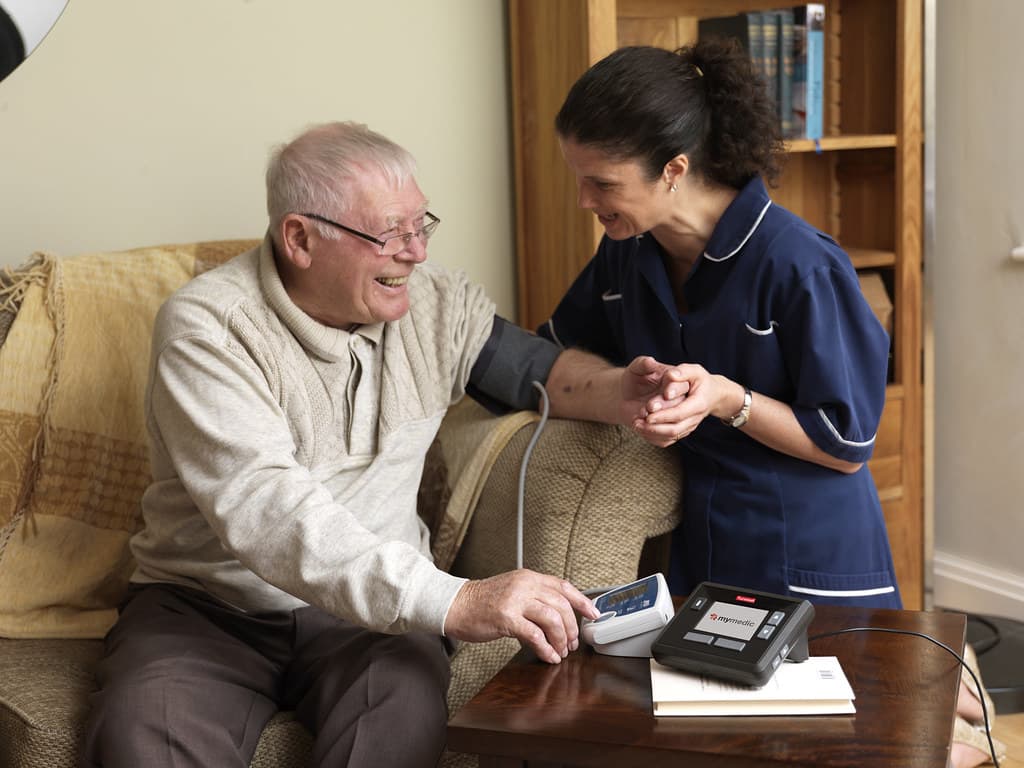
Tele‑health—delivering health care through video calls, apps, or remote monitoring—offers a way to reach older adults who cannot travel easily [2]. Grounded in Bandura’s Self‑Efficacy Theory and Davis’s Technology Acceptance Model, the study assessed tele‑health readiness and its association with innovative self‑efficacy among nurses in Saudi Arabia [2]. The study found that nurses who reported higher innovative self‑efficacy—confidence in creative problem‑solving—also reported substantially greater tele‑health readiness [2]. Innovative self‑efficacy remained the strongest independent predictor even after accounting for age, education, and years of experience [2].
Why These Pieces Matter Together
The three studies each focus on a different facet of older‑adult health: basic social needs, psychosocial alienation, and the capacity of health‑care providers to deliver digital care [1][2][3].
- Unmet basic needs increase pain intensity and make daily tasks harder [1].
- Social alienation may deepen the sense of isolation, especially for those living with adult children rather than a spouse [3].
Gaps and What Researchers Still Need to Learn
- No single dataset examined both unmet social needs and social alienation together, so the combined effect on pain remains unknown.
- The nurse‑focused study measured readiness, not actual patient outcomes; the impact of nurse readiness on pain relief is untested.
- The tele‑health readiness study was conducted in Saudi Arabia; applicability to other countries is uncertain.
- The alienation study suggests screening but does not test specific interventions.
Looking Ahead
Programs that ensure food security, improve transportation, and strengthen genuine social ties could lower pain intensity and boost confidence in pain management [1][3]. Training that builds nurses’ innovative problem‑solving confidence may expand tele‑health reach, offering a potential lifeline to seniors who cannot leave home [2].