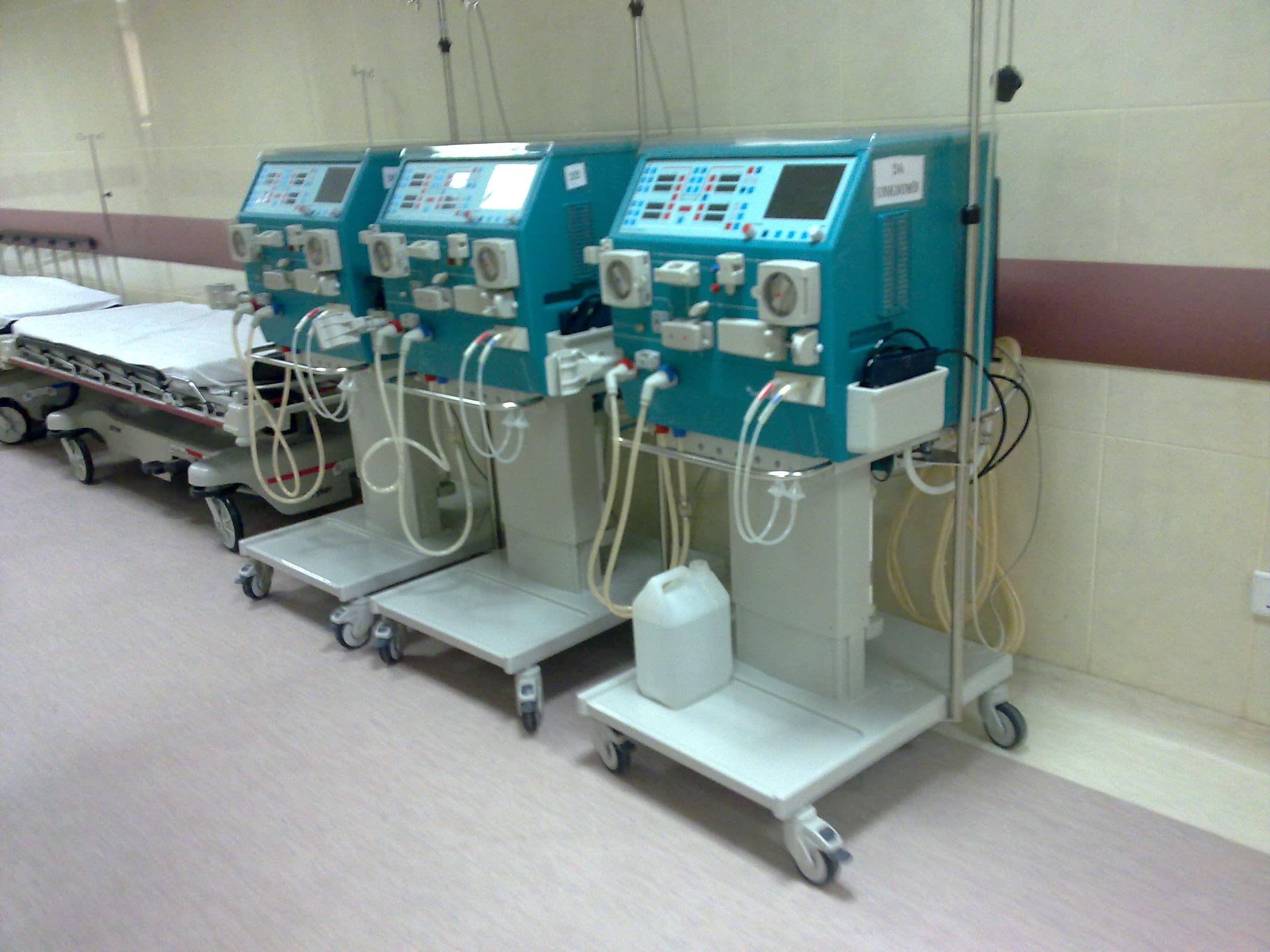
Expanding the donor pool: DCD kidneys and the promise of xenotransplantation
New strategies are widening the source of organs for transplant. Donation after circulatory death (DCD) kidneys now make up about half of all kidney donors, while research into genetically engineered animal organs is pushing regulators to rethink oversight. Both developments could change how older patients view dialysis versus transplant.
Key takeaways
- Half of kidney donors in the United States are now DCD donors, but many recovered kidneys are still not used [2].
- DCD kidneys today often come from older donors with diabetes, hypertension, or obesity, and most are pumped before transplant [2].
- A recent study suggests that for some older adults, dialysis may not be the best first‑line therapy for kidney failure [3].
- Experts argue that the FDA should adopt a risk‑adapted framework for xenotransplant products, borrowing ideas from medical‑device regulation [1].
More DCD kidneys, but still many go unused
Data from the Organ Procurement and Transplantation Network show a steady rise in DCD kidney recovery over three eras. In the most recent era, recovered DCD kidneys were used by transplant centers at rates up to 60 % [2]. However, the non‑use rate climbed from 20.8 % in the earliest era to 35.4 % in the latest [2].
The increase in non‑use coincides with a shift in donor characteristics. Today’s DCD donors are more likely to be over 60 years old and to have diabetes, high blood pressure, or obesity [2]. About 86.8 % of transplanted DCD kidneys were pumped—a preservation technique that improves organ quality [2].
These trends suggest that while the pool of available kidneys is expanding, careful selection and management are needed to turn more recovered organs into successful transplants.
Dialysis decisions for older adults
A new study questions the default use of dialysis for older patients with kidney failure. The researchers found that for some seniors, the risks and burdens of dialysis may outweigh its benefits [3]. This finding adds urgency to expanding the donor pool, because a viable transplant could offer a better quality of life than long‑term dialysis for many older patients.
Xenotransplantation moves toward a new regulatory path
Genetically engineered organs from animals—xenotransplants—could someday fill the gap left by human donor shortages [1]. The authors of a recent analysis argue that the current FDA framework, designed for single‑molecule biologics, does not fit the complex, evolving nature of whole‑organ xenotransplants. They propose a risk‑adapted approach that mixes biologics oversight with lessons from medical‑device regulation. Elements would include early feasibility studies, proportionate evidence requirements, flexible manufacturing standards, pre‑negotiated change‑control plans, and active post‑market surveillance using existing transplant registries [1].
If regulators adopt such a framework, it could speed the safe introduction of xenogeneic kidneys and livers, further easing organ scarcity.
Looking ahead
The rise of DCD kidneys and the emerging xenotransplant field together point to a future with more transplant options. For older adults facing dialysis, these advances may soon provide realistic alternatives. Ongoing research, refined donor selection, and adaptive regulatory policies will determine how quickly the promise becomes everyday practice.